Background Signature: Where Classic Calligraphy Meets Modern Style
There’s a moment in every design project where the font you choose either whispers the right story or shouts the wrong one. You know the feeling—you’ve spent hours crafting the perfect logo, laying out a social media post, or designing a wedding invitation, and the typeface just isn’t landing. It feels generic, stiff, or disconnected from the emotion you’re trying to convey. That’s where a typeface like Background Signature enters the conversation. It’s not just another script font; it’s a bridge between the timeless elegance of classic calligraphy and the clean, confident lines needed for today’s visual landscape.
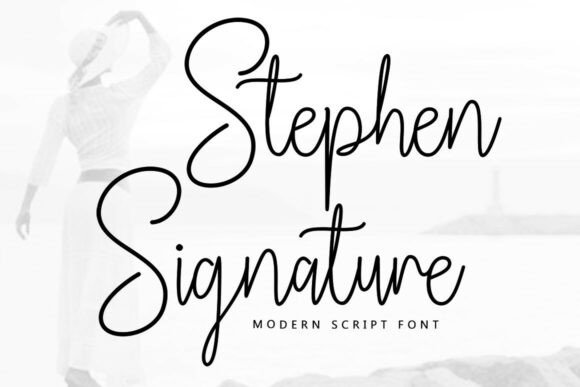
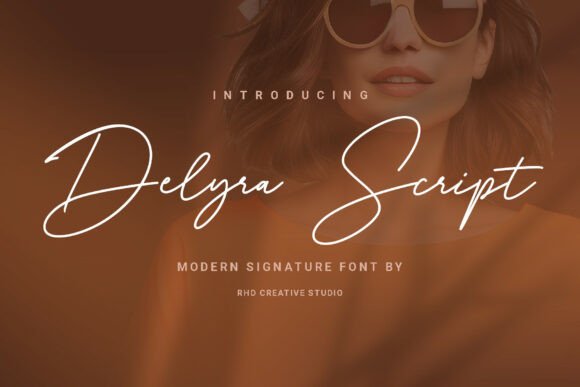
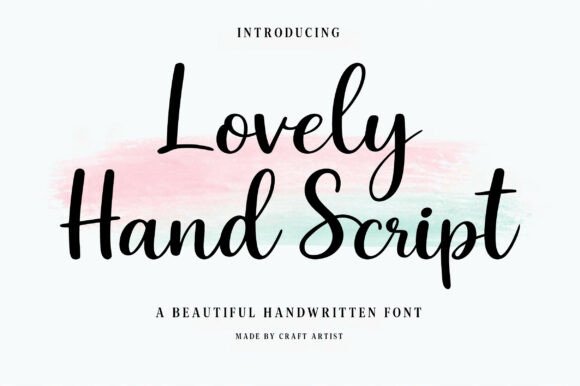
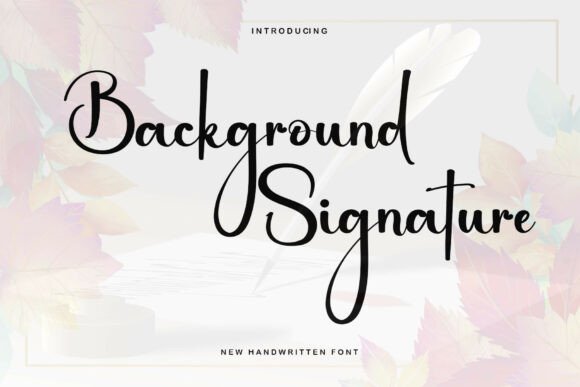
At its core, Background Signature is a stylish handwritten font, but that simple description undersells its utility. Imagine the fluidity of a master penman’s stroke, but refined. The letterforms carry the organic, human touch of a signature—something personal and authentic—yet they’ve been optimized for clarity and versatility. The modern touch comes through in its balanced weight and thoughtful spacing, which prevent the script from becoming a tangled, unreadable mess. This makes it a genuinely versatile premium font for a designer, entrepreneur, or content creator who needs typography that feels both personal and polished.
The Anatomy of a Versatile Script: More Than Just Pretty Swirls
What makes a handwritten font like this one work so well across different mediums? It’s about visual personality meeting practical design. The first thing you notice is the font personality. It’s elegant and sophisticated, sure, but it’s not stuffy or overly formal. This balance is critical. A font that’s too decorative can feel like a novelty, while one that’s too plain loses its signature character. Background Signature hits a sweet spot. The letter connections are smooth, the x-height is generous enough for smaller sizes, and the overall texture adds warmth without sacrificing legibility.
This display font shines brightest when used for headlines, logos, and short bursts of impactful text. Think about the masthead of a boutique magazine, the title on a artisan coffee bag, or the hero text on a lifestyle blog. It commands attention without being aggressive. For a brand identity aiming for a handcrafted, luxurious, or intimate feel, this typeface can become a cornerstone asset. It tells your audience, “This was made with care,” which is a powerful message in an age of mass production.
Practical Applications: From Digital Screens to Physical Products
The true test of any creative font is how it performs in the real world. Let’s break down where a script like Background Signature can be deployed effectively.
- Branding & Logo Design: This is its natural habitat. A signature-style font is perfect for logos for wedding planners, boutique agencies, personal brands, cafes, and beauty products. It instantly communicates a level of personal service and craftsmanship. Pair it with a simple sans serif font for body text to create a beautiful contrast that’s both professional and approachable.
- Packaging Design: On a shelf, packaging needs to tell a story fast. Using this font for the product name on a candle, a bottle of craft gin, or a box of chocolates adds a tactile, premium feel. It suggests the contents are special, made in small batches with attention to detail.
- Social Media Graphics: In a fast-scrolling feed, a touch of elegance stops thumbs. Use it for Instagram quote graphics, Pinterest pins for blog posts, or Facebook ad headlines. It adds a personal, handwritten note that feels more genuine than a standard geometric font. Just ensure the text size is large enough to remain crisp on mobile screens.
- Web Design & Blogs: While not for long paragraphs, it’s excellent for website headers, pull quotes, author names, and section titles. For a blog focusing on lifestyle, food, or travel, it can set the tone beautifully. Always pair it with a highly readable serif or sans serif for the main content.
- Print & Editorial Layouts: In a magazine, lookbook, or annual report, it can be used for chapter titles, photo captions, or stylistic callouts. It breaks the monotony of standard text blocks and guides the reader’s eye with a touch of artistry.
- Invitations & Merchandise: This is a no-brainer. Wedding invitations, event tickets, thank-you cards, and even merchandise like tote bags or notebooks benefit immensely from a script font that feels celebratory and unique.
Strategic Typography: Making the Font Work for Your Goals
Choosing the right typeface is a strategic decision, not just an aesthetic one. Here’s how to think about integrating a font like Background Signature into your workflow effectively.
Match the Font to the Project’s Voice. Ask yourself: What is the primary emotion or message? If your project requires a sense of tradition, luxury, or personal touch, a modern typography script is a strong candidate. For a tech startup or a data-heavy report, it would likely be the wrong fit. Context is everything.
Master the Art of Font Pairing. A standalone script can be overwhelming. The key to visual consistency and professional presentation is pairing. Combine Background Signature with a clean, neutral serif font like Times New Roman or a geometric sans serif like Helvetica or Lato. Let the script do the talking for headlines, and let the paired font handle the supporting text. This creates hierarchy and ensures your message is both beautiful and readable.
Prioritize Readability, Always. This cannot be overstated. The most beautiful font fails if people can’t read it. Before finalizing any design, test it. Shrink it down to the smallest size you plan to use it at. Print it out. Show it to someone unfamiliar with the project and ask them to read the key text aloud. If they stumble, you need to adjust the size, weight, or context. A great display font should enhance, not hinder, communication.
Explore the Full Font Family. Often, a commercial font like this will come with multiple styles—perhaps different weights (light, regular, bold), alternate characters, or stylistic sets. Review the included font files. Alternates for certain letters (like a, g, or t) can give you more flexibility to customize the look and avoid repetitive letter shapes, making your design feel even more bespoke.
Understand the Licensing. This is the unglamorous but essential part. If you’re using the font for a client project, a product you sell, or merchandise, you need to ensure you have the correct commercial license. Most premium fonts have clear licensing terms. Using a font without the proper license for commercial use can lead to legal headaches. Always check the license agreement—it’s part of being a responsible creative professional.
A Tool, Not a Crutch: The Final Thought
Background Signature, like any design asset, is a tool in your creative toolkit. Its value is unlocked not by using it everywhere, but by using it with intention. It’s the right choice when you need to inject personality, warmth, and a touch of elegance. It’s the wrong choice when clarity and neutrality are paramount. The best designers and creators don’t just collect fonts; they understand their personalities and deploy them strategically to tell a better story. So, experiment with it. Pair it with a bold sans serif for a modern poster. Use it delicately on a website header. Print it on a textured paper stock for a wedding suite. When you align the font’s inherent character with your project’s goals, you stop just placing letters and start crafting a complete visual experience that resonates with your audience.